
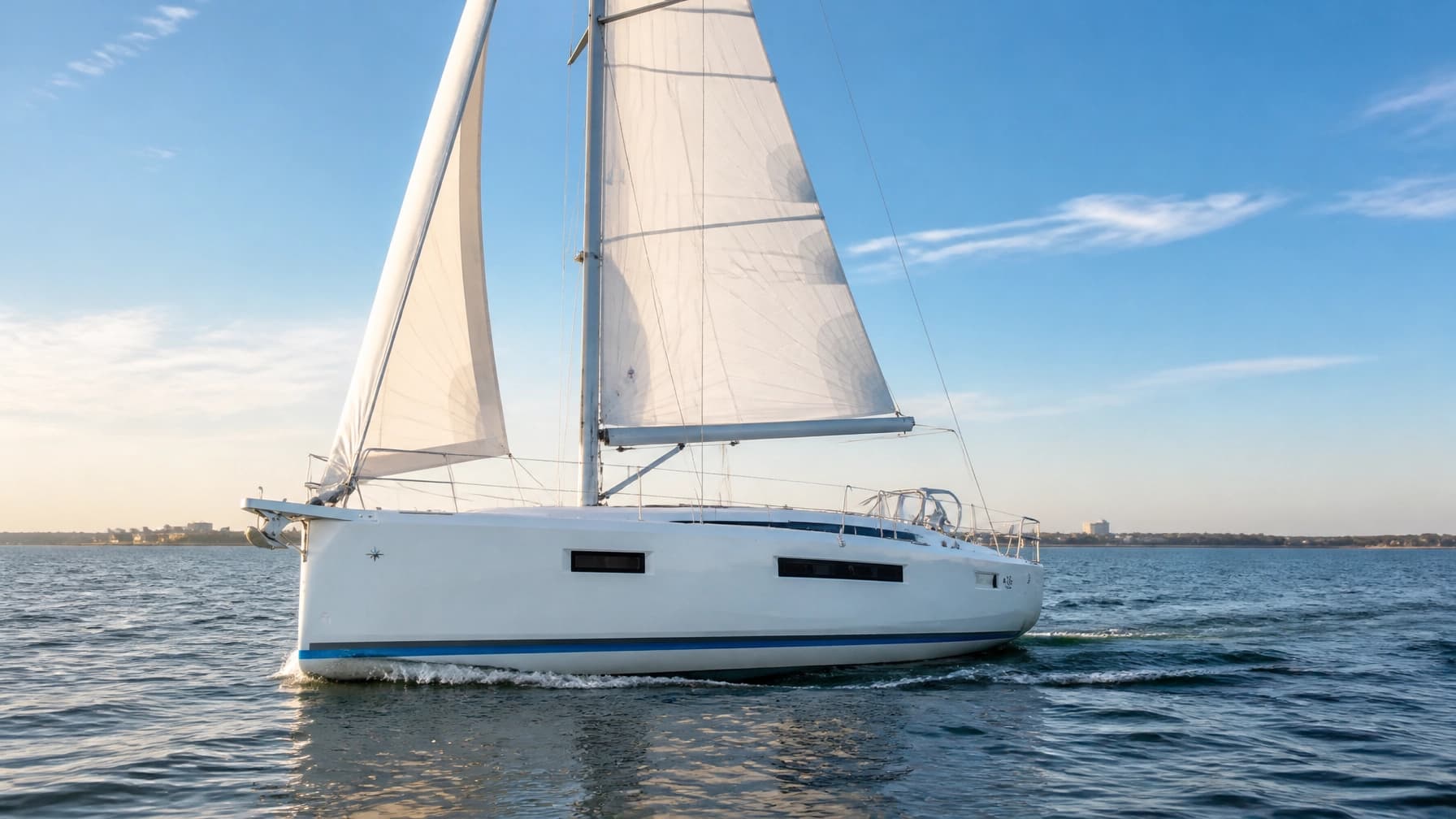
There’s something really nice about boating in Texas as summer starts to ease off. The crowds thin out, the afternoons feel more comfortable, and Galveston Bay seems to open up a little.
And if you’ve been watching yachts for sale Texas, fall can also be one of the smartest times of year to make your move.
That doesn’t mean every seller suddenly slashes a boat’s price. True and not true. But from September through November, the market often gives buyers a better combination of selection, negotiating room, and comfortable conditions for inspections and sea trials.
At Little Yacht Sales, we see this seasonal shift every year. Boats that attracted plenty of attention in June may still be listed in October. Owners begin thinking about storage, maintenance, insurance, and another season of slip fees. Meanwhile, dealers are making room for incoming inventory.
So, if you’ve been looking at boats for sale in Kemah TX, or you’re considering a cruiser for weekend trips, fishing, sailing, or longer Gulf Coast adventures, fall is worth your attention.
Fall brings the right mix of price and selection
Late fall and early winter are widely recognized as strong buying windows in the recreational boating market. However, waiting too long can create a different problem: the very best boats may already be sold.
That’s why early and mid-fall are especially appealing. You still have a good selection of brokerage yachts, but summer demand has cooled. Sellers are generally more open to serious conversations, and dealers may be motivated to move current-model-year inventory before the calendar turns.
In practical terms, you may find:
- Brokerage yachts that have been listed for several months
- End-of-season pricing on select new or leftover model-year boats
- Sellers willing to consider reasonable offers
- Opportunities to negotiate equipment, repairs, storage, or delivery
- More time to complete a survey, sea trial, financing, and insurance before spring
And the Texas Gulf Coast gives buyers a major advantage over colder boating regions. Our season doesn’t simply stop when September arrives. You can still enjoy a beautiful afternoon on the water, evaluate a boat underway, and take a short shakedown cruise after closing.
That balance matters. You’re not choosing between price and usability: you can often get both.
Sellers have seasonal reasons to negotiate
Boat ownership is a lifestyle, but it’s also a practical decision. By fall, sellers may be looking at another round of slip fees, scheduled maintenance, bottom cleaning, insurance premiums, and storage arrangements.
Some owners have decided to move into a larger yacht. Others are ready to change from power to sail: or from sail to power. And sometimes, a boat simply hasn’t been used as much as the owner expected.
We’ve seen this with everything from family cruisers to offshore-capable motor yachts. A well-maintained Mainship 400, a trawler, or a comfortable sailboat may look just as inviting in October as it did in July. But the seller’s motivation can be different.
That’s where a buyer’s timing helps.
Instead of making an offer based only on the listing price, look at the entire package:
- How long has the yacht been listed?
- Has the price already been reduced?
- Are maintenance records complete?
- Is the seller including a tender, spare parts, electronics, or dock equipment?
- Does the boat need work before the next spring season?
- Would the seller benefit from closing before storage or annual maintenance?
A motivated seller may not accept an unrealistic offer. But they may respond favorably to a well-supported offer with clean terms, a realistic closing timeline, and clear survey and sea-trial contingencies.
Cooler weather makes sea trials more useful
One of the best reasons to shop for a yacht in Texas during fall is the weather. Summer sea trials can be hot, crowded, and rushed. By contrast, a fall trial often gives you more comfortable conditions and more scheduling flexibility.
And comfort isn’t the only benefit. You’re more likely to pay attention to the boat when you’re not trying to escape the August heat.
A proper sea trial should go well beyond idling away from the dock. You want to see how the boat performs under real operating conditions:
- Start the engines cold, if possible
- Run at idle, cruising speed, and wide-open throttle
- Confirm the engines reach their rated rpm
- Watch oil pressure, coolant temperature, charging, and exhaust
- Test steering, turning, docking, and reverse handling
- Run the generator and major electrical systems
- Check the chartplotter, VHF, autopilot, depth sounder, and alarms
- Operate bilge pumps, windlass, head, freshwater systems, and appliances
- Raise and inspect the sails, furling systems, and winches on a sailboat
A little chop can be helpful, too. Glass-calm water may feel wonderful, but a moderate bay chop tells you much more about ride comfort, vibration, steering, and noise.
Our guide on how a boat sea trial works explains what to expect and how to prepare.
Don’t forget the air conditioning and heating systems
Texas boating means paying close attention to climate-control systems. You’ll appreciate a strong air-conditioning system during the hottest part of the year, but fall is also the right time to confirm the boat’s heating system works properly.
Many cruising yachts use reverse-cycle air conditioning, which provides both cooling and heat. Test both functions. Don’t assume that because the control panel lights up, the system is operating correctly.
During your inspection and sea trial, ask:
- Does each zone cool evenly?
- Does the compressor cycle normally?
- Are water flow and discharge strong?
- Is the reverse-cycle heat producing warm air?
- Are there unusual sounds, odors, leaks, or tripped breakers?
- Does the generator support the system under load?
Also check ventilation, engine-room blowers, exhaust fans, and any diesel furnace or electric heaters. A comfortable cabin is a HUGE part of enjoying a yacht, especially when you’re spending a long weekend aboard in December or taking an early-morning departure in March.
Use the fall window for a thorough survey
Fall may improve your negotiating position, but it doesn’t replace due diligence. In fact, the extra time and availability make it an excellent season to complete a careful marine inspection.
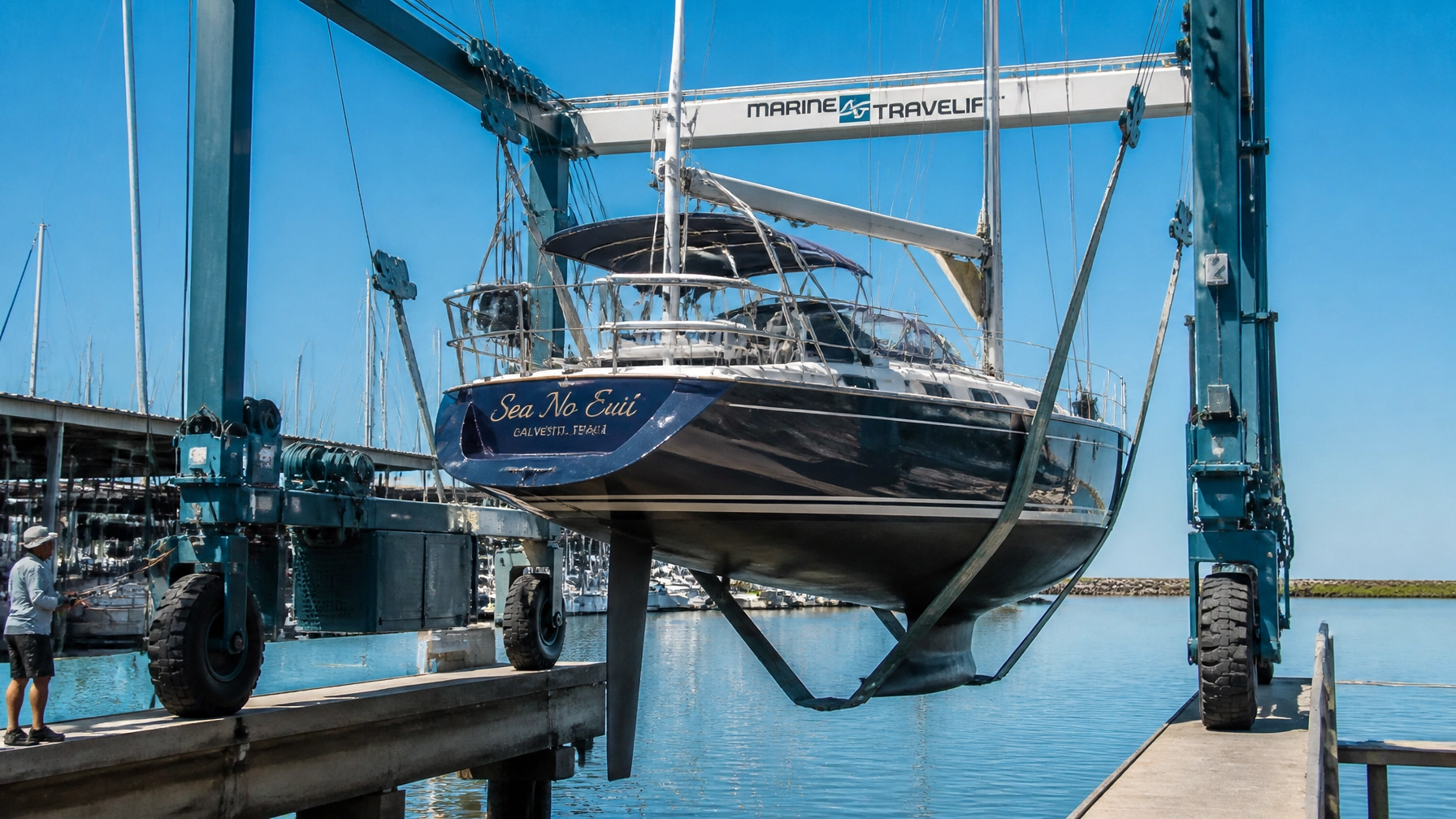
For a used yacht, we strongly recommend an independent pre-purchase marine survey. The surveyor should inspect the hull, deck, structure, electrical and plumbing systems, through-hulls, seacocks, safety gear, rigging, electronics, and more. A haul-out also allows inspection of the bottom, rudder, propeller, shaft, and other underwater components.
Depending on the boat’s size and complexity, survey costs vary. A commonly cited starting range is approximately $10–$15 per foot, before haul-out charges and any separate engine inspection. For a 40-foot yacht, that puts the survey itself in the neighborhood of $400–$600, although actual pricing depends on the vessel and surveyor.
That’s money well spent. A survey can uncover a wet deck core, aging hoses, corroded wiring, overdue maintenance, or an engine issue that changes the value of the boat.
Read our practical guide: Do You Need a Marine Survey When Buying a Boat?.
A broker helps you negotiate with facts
Fall buyers have leverage, but leverage works best when it’s based on facts.
A professional yacht broker can help you compare similar boats, review pricing history, understand the vessel’s maintenance background, and identify issues that may not be obvious from listing photos. Then, after the survey and sea trial, your broker can help separate normal ownership items from findings that genuinely affect value, safety, or reliability.
For example, a tired canvas cover may be a reasonable negotiating point. A diesel engine that can’t reach rated rpm under load is a much more significant concern.
Our team also coordinates the moving parts: the purchase agreement, deposit and escrow, surveyor, mechanic, haul-out yard, sea trial, title and lien checks, financing, insurance, and closing paperwork. As we explain in What Does a Yacht Broker Actually Do?, the value is often in managing the details before they become problems.
Little Yacht Sales brings more than 150 years of combined experience, with brokers who understand powerboats, sailboats, trawlers, sport fishers, catamarans, and the Texas Gulf Coast cruising area.
Buy in fall, prepare for spring
Another advantage is the runway you gain after closing.
If you buy in October or November, you have time to:
- Complete maintenance and repairs
- Install new electronics or canvas
- Order custom parts
- Secure a slip in Kemah, Clear Lake, or Galveston
- Learn the systems without springtime pressure
- Take short shakedown cruises
- Build confidence before peak boating season
Kemah and Clear Lake are excellent for convenient bay cruising, while Galveston can make sense for buyers who want quicker access to the Gulf. Our comparison of Kemah and Galveston yacht storage walks through the lifestyle and access differences.
And if your plans include fishing, sailing, entertaining, or longer cruising, take a look at the best boats for Galveston Bay. Draft, range, stability, and offshore capability all matter.
Your fall yacht-buying checklist
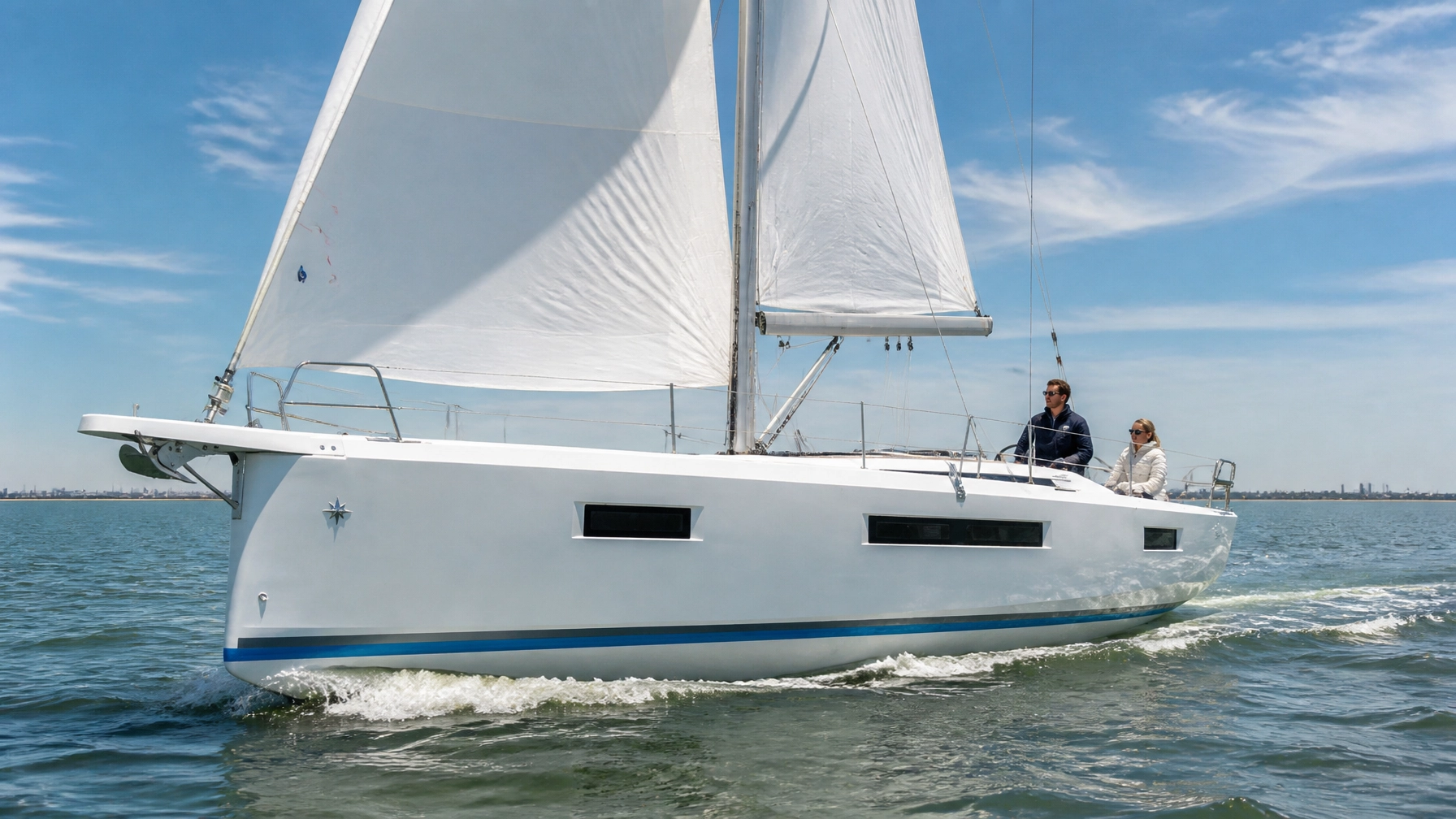
Before you make an offer on one of the yachts for sale Texas buyers are watching, keep the process simple:
- Define how you’ll actually use the boat.
- Compare current listings and recent market pricing.
- Visit multiple boats: not just the prettiest one.
- Write an offer subject to satisfactory survey and sea trial.
- Hire an independent surveyor and, when appropriate, an engine specialist.
- Test the boat’s systems, including AC, heating, generator, electronics, and propulsion.
- Use documented survey findings to negotiate repairs, credits, or price.
- Confirm title, registration, HIN, and lien information.
- Allow time for insurance, financing, service, and delivery.
- Work with a professional broker who can coordinate the transaction.
BoatUS also offers a helpful Boat Buyers Guide for additional general guidance.
So, is fall the absolute best time for every buyer and every yacht? Not necessarily. The right boat at the right price is always the priority.
But for buyers searching the Texas Gulf Coast, fall often provides a very attractive combination: motivated sellers, lingering listings, cooler sea trials, better scheduling, and enough time to get ready for spring.
If you’re ready to explore boats for sale in Kemah TX, Galveston, Clear Lake, or beyond, contact Little Yacht Sales. Tell us how you want to spend your time on the water, and we’ll help you find the adventure vehicle that fits.
Fair winds,
The Team at Little Yacht Sales
Frequently asked questions
Is fall a good time to buy a yacht in Texas?
Yes. Fall often brings more negotiating room, end-of-season inventory, motivated sellers, and comfortable weather for surveys and sea trials. Early fall usually offers a stronger balance of selection and price than waiting until late winter.
Do yacht prices really drop in the fall?
Prices don’t automatically drop on every yacht. However, sellers may be more willing to negotiate after summer, and dealers may offer incentives to clear current-model-year inventory. A broker can help you compare asking prices with market data and vessel condition.
What should I test during a fall sea trial?
Test the engines at idle, cruise, and wide-open throttle. Also check handling, steering, electronics, generator, bilge pumps, AC, heating, freshwater, head systems, and other equipment you’ll use aboard.
Do I need a marine survey when buying a used yacht?
We strongly recommend one. A marine survey examines the yacht’s condition and value, while a sea trial evaluates performance underway. Together, they help you make an informed decision and may allow you to renegotiate or cancel under the terms of your purchase agreement.