
Do You Need a Marine Survey When Buying a Boat?
So, you’ve finally found her, the boat that’s been haunting your dreams and taking up all your browser tabs. Whether it’s one of those beautiful sailboats for sale in texas you’ve been eyeing or a sleek powerboat ready for the Gulf, the excitement is real. But before you sign on the dotted line and start picking out new cushions, there is one step you absolutely cannot skip.
Do You Need a Marine Survey When Buying a Boat? Yes, we strongly recommend a marine survey on any used-boat purchase. In fact, most lenders and insurers require one before they’ll even think about financing or insuring the boat. Think of it as the ultimate reality check. An accredited surveyor inspects the hull, systems, rigging, and engine. Then they issue a written report and valuation. Writing your offer “subject to a satisfactory survey” lets you renegotiate or even walk away if serious problems turn up (and trust me, they often do).
A boat is one of the few major purchases people make without ever looking beneath the waterline. A marine survey fixes that. It is the closest thing boating has to a home inspection and an appraisal rolled together. It’s the critical step that turns a hopeful purchase into an informed one. Here’s what a survey is. Here is what it covers, what it costs, and why nearly every smart buyer in the Kemah, TX boat market pays for one.
What exactly is a marine survey?
A marine survey is a professional, top-to-bottom inspection of a boat’s condition and value. It’s carried out by an accredited marine surveyor who knows exactly where the gremlins like to hide. The surveyor goes through the boat systematically and produces a written report. This report documents findings, flags any safety or structural issues, and gives an estimated fair market value.
When you’re looking at yachts for sale texas or anywhere else, you want someone who knows the local conditions. For example, they should know what our humidity and heat can do to a boat’s systems. Always look for a surveyor accredited by a recognized body such as SAMS (Society of Accredited Marine Surveyors) or NAMS (National Association of Marine Surveyors). These folks have to meet strict standards. Additionally, their reports are the “gold standard” that banks and insurance companies actually trust.
What a marine surveyor checks
A thorough pre-purchase survey covers the whole vessel, not just the parts that look pretty in the listing photos. It’s a deep dive (sometimes literally) into the health of the boat. Therefore, expect the surveyor to examine:
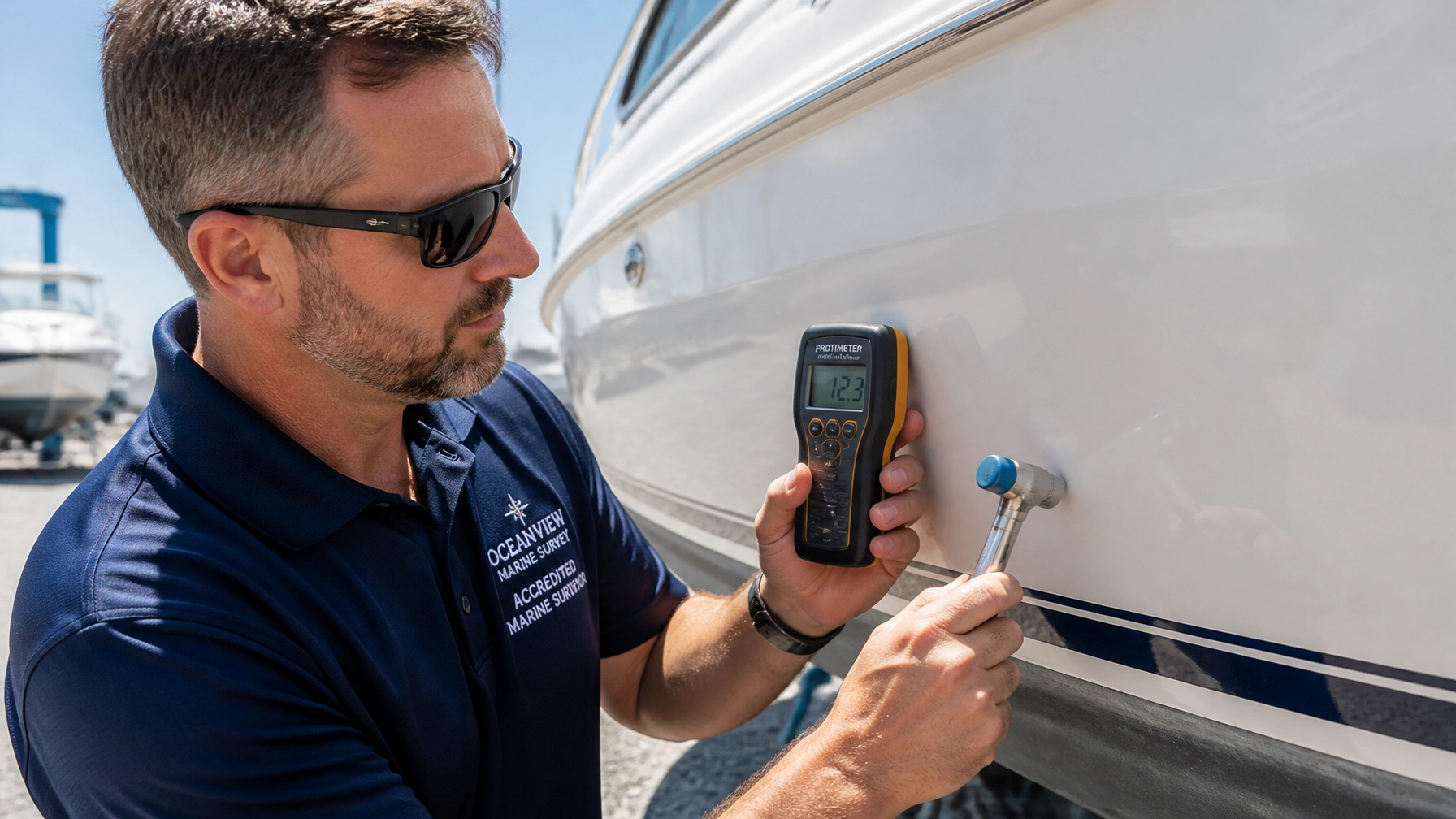
- Hull and deck: They’ll check for structural condition and take moisture readings on fiberglass to catch things like wet core or blistering. (Blisters are basically the boat equivalent of acne, but way more expensive to fix).
- Through-hulls and seacocks: These are the fittings that keep the water on the outside. If they fail, the boat sinks, so yeah, they’re pretty important.
- Steering, rigging, and sails/canvas: They look at the age and condition of standing and running rigging. If you’re buying one of those classic sailboats for sale in texas, you want to know if the mast is going to stay upright!
- Electrical and plumbing systems: Wiring, batteries, pumps, and tanks. Saltwater and electricity are basically natural enemies, so this is a big one.
- Fuel system, safety gear, and electronics: Making sure everything is up to code and actually works when you need it.
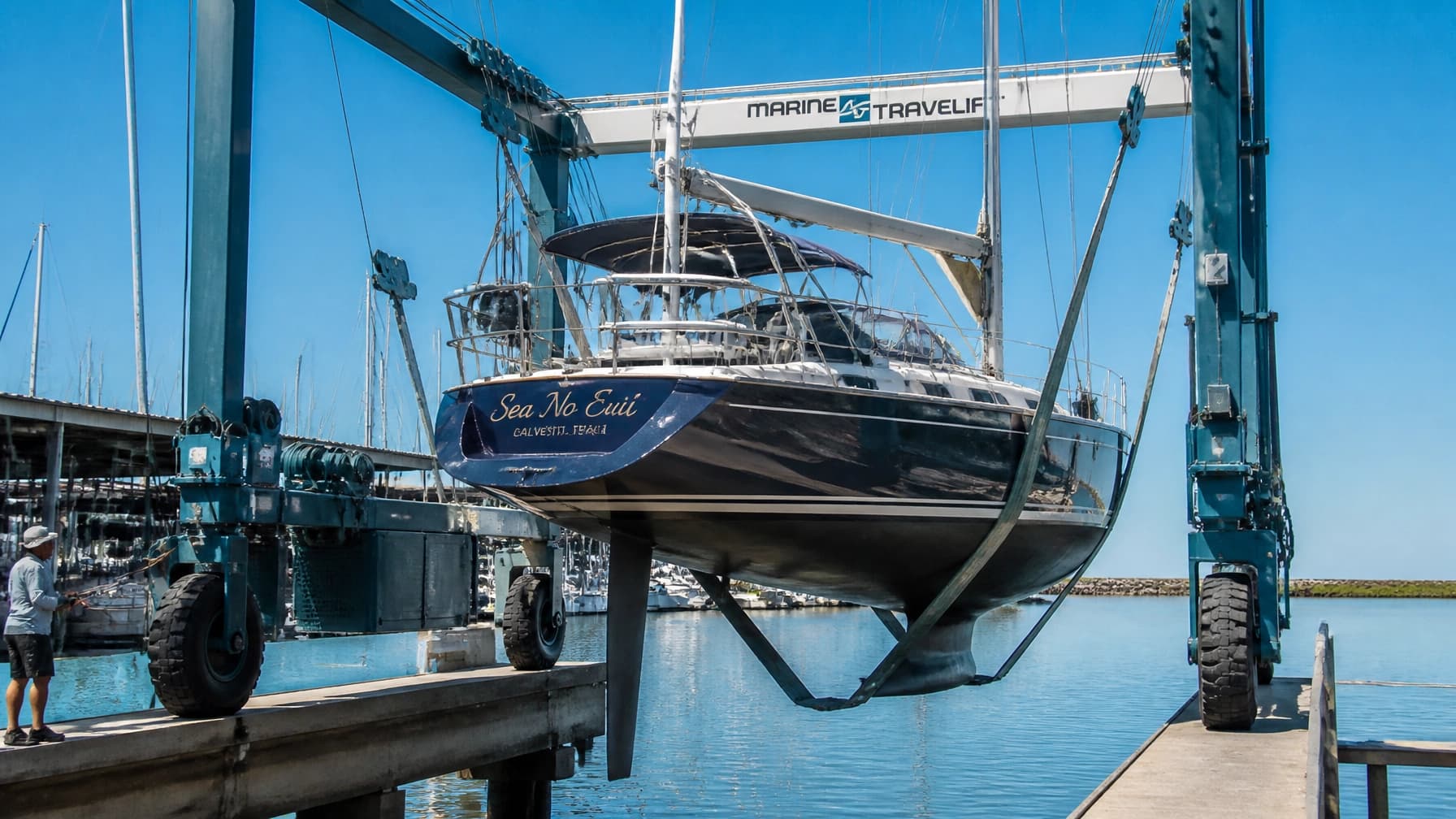
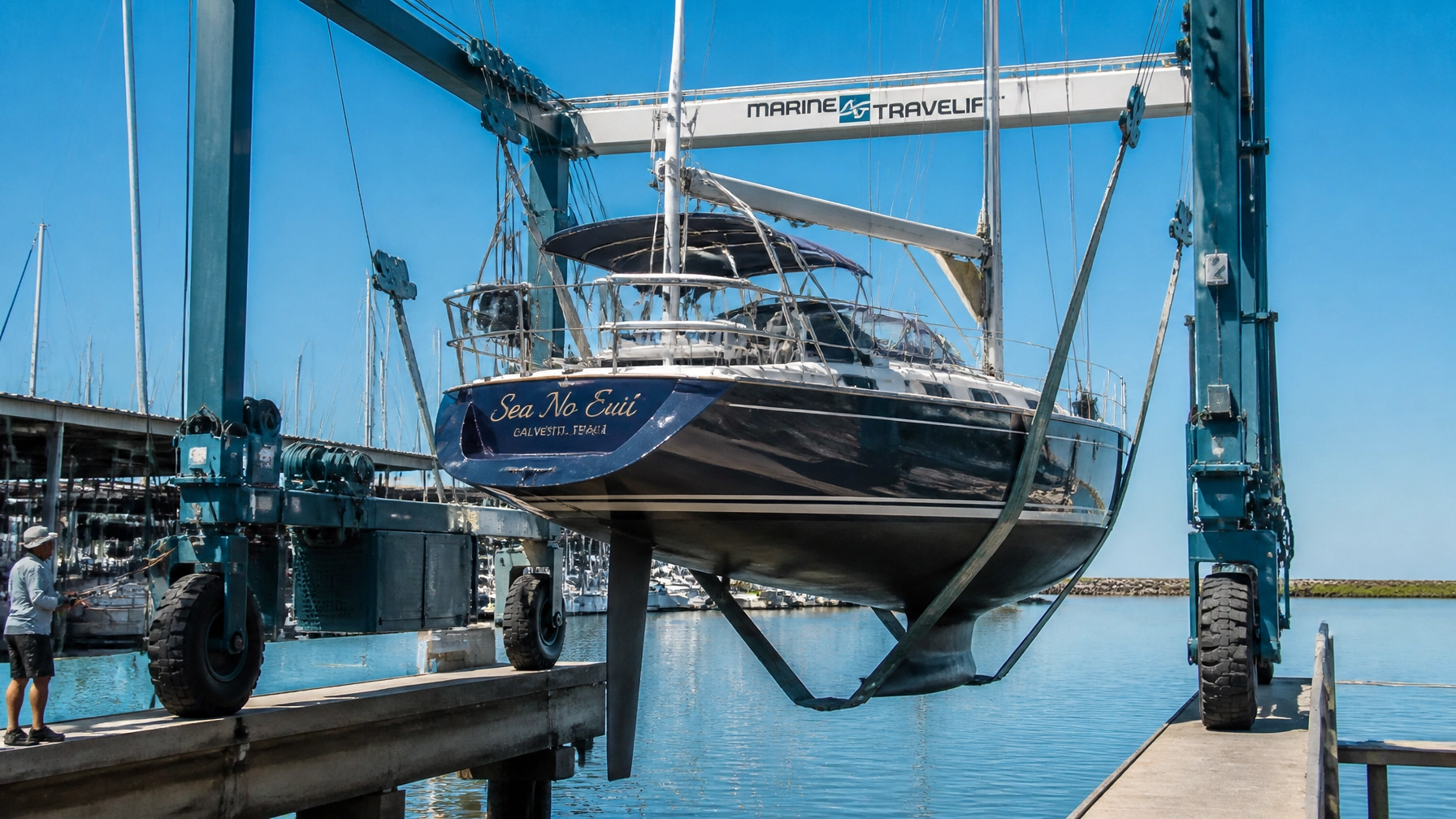
Most pre-purchase surveys include a “haul-out.” This is where the boat comes out of the water so the surveyor can inspect the bottom, keel, rudder, and running gear. It’s also the perfect time for a sea trial to see how the boat performs under way.
Don’t forget the engine!
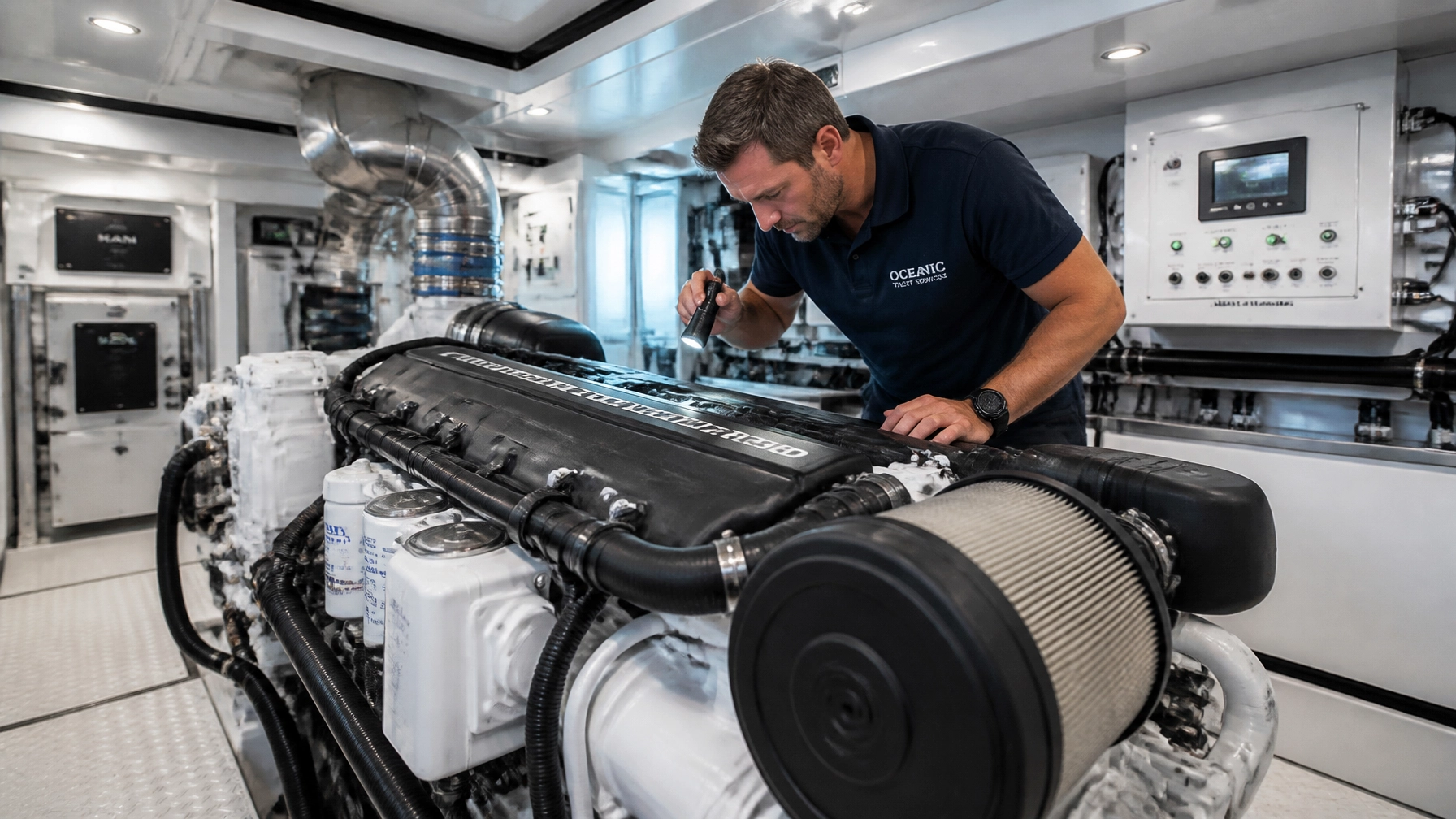
For boats with inboard engines, we often suggest a little extra due diligence. While a general surveyor checks the basics, a marine mechanic often inspects the engine separately or runs an oil analysis. Engine assessment is really a specialty of its own, and on many boats for sale in kemah tx, the engine is the single most expensive component to replace. It’s worth the extra few hundred bucks for the peace of mind.
Pre-purchase vs. Insurance Survey
Not all surveys are the same, and it helps to know which one you actually need.
- Pre-purchase (Condition and Value) Survey: This is the most detailed type. It’s done before you buy to assess overall condition and establish fair market value. This is the one you, as the buyer, order. It’s your “eyes and ears.”
- Insurance Survey: This one focuses specifically on safety, seaworthiness, and value so an underwriter can write or renew a policy. Insurers often require one periodically on older boats.
The good news? A current pre-purchase survey will usually satisfy an insurer at the time of sale. You typically get both jobs done with one inspection when you buy. This is a nice little win for your wallet.
What a marine survey costs: and who pays
Marine surveyors typically price surveys by the length of the boat. Generally speaking, the bigger the boat, the higher the cost.
As the buyer, you normally pay for the survey. You’ll also handle the separate charges for the haul-out at the boatyard and, if you decide to go that route, a separate engine survey. Rates vary by region, boat type, and surveyor. So, definitely get a written quote before you schedule anything.
I know it feels like a lot of “extra” money when you’re already spending a chunk on the boat itself, but it’s money well spent. A survey routinely uncovers issues worth far more than its cost. Plus, it gives you the leverage to renegotiate the price if the surveyor finds $5,000 worth of “surprises.”
Why you should hire your own surveyor
Because the survey protects your interests, you should choose your own independent surveyor rather than just using one the seller suggests. You want an impartial expert with no stake in the sale to give you an honest, “unvarnished” read on the boat.
Our brokers have worked with just about everyone in the industry. We can recommend several accredited surveyors in the area who we know are thorough and fair. We also help coordinate the haul-out and the sea trial around the survey date. That way, you don’t have to juggle five different schedules.
How the survey fits into the buying process
The survey isn’t just a standalone errand: it’s a built-in checkpoint in the whole purchase sequence. It usually goes like this:
- You write your offer subject to a satisfactory survey and sea trial.
- You place your deposit in escrow.
- You complete the survey.
- Based on the report, you either accept the boat, renegotiate the price/repairs, or cancel the whole thing and get your deposit back.
If you’re looking for the full breakdown of the sequence, check out our guide on how to buy a yacht privately. (Though, having a professional broker by your side makes this whole dance a lot less stressful!)
Frequently Asked Questions
What is a marine survey?
A marine survey is a professional inspection of a boat’s condition and value performed by an accredited marine surveyor. The surveyor examines the hull, deck, structure, systems, rigging, and equipment. Then they issue a written report listing findings and an estimated fair market value. It is the marine equivalent of a home inspection plus an appraisal.
Do I need a marine survey to buy a used boat?
We strongly recommend a survey on any used boat purchase, and most lenders and insurers require one before they’ll finance or insure the boat. Most offers are written subject to a satisfactory survey and sea trial. This lets the buyer renegotiate the price or cancel and recover the deposit if serious problems are found. Skipping it is the biggest avoidable risk in a boat purchase.
What does a marine surveyor check?
A marine surveyor checks the hull and deck for damage and moisture, the structural members and bulkheads, through-hulls and seacocks, the steering and rigging, sails or canvas, the electrical and plumbing systems, fuel system, safety gear, and electronics. On most pre-purchase surveys the boat is hauled out to inspect the bottom and running gear, and a sea trial tests how it performs under way.
How much does a marine survey cost?
Marine surveyors typically price surveys by the length of the boat, so cost rises with size. The buyer normally pays for the survey, plus separate charges for the haul-out and, for inboard engines, a separate engine survey or mechanic’s inspection. Get a written quote from your surveyor before scheduling. Rates vary by region, boat type, and surveyor.
What is the difference between a pre-purchase survey and an insurance survey?
A pre-purchase (condition and value) survey is the most thorough type and is done before buying to assess overall condition and fair market value. An insurance survey focuses on safety, seaworthiness, and value so an underwriter can write or renew a policy. Insurers often require one periodically on older boats. A pre-purchase survey usually satisfies an insurer at the time of sale.
Who pays for the marine survey?
The buyer normally pays for the marine survey, the haul-out, and the fuel for the sea trial, because the survey protects the buyer’s interests. For that reason, buyers should hire their own independent surveyor rather than using one referred by the seller.
Buying a boat and not sure where to start?
Navigating the world of boats for sale in kemah tx or searching for the perfect yachts for sale texas can feel overwhelming, but you don’t have to do it alone. Our brokers are here to help you through every step. We can recommend accredited surveyors, coordinate the haul-out and sea trial, and sit down with you to make sense of the final report.
At the end of the day, we want you to be as confident in your new boat as we are. Let’s get you out on the water!
Talk to a Broker
Call us at 844-LYS-BOAT or email info@LittleYachtSales.com.
This guide is general information for prospective buyers and is not legal, tax, or professional surveying advice. Survey scope, accreditation, and pricing vary; confirm details with a professional marine surveyor for your specific boat.